
Why You Should Choose Whole Spices for Better Taste and Aroma?
When it comes to cooking, the difference between an ordinary dish and an unforgettable one often lies in the quality of the spices you use. While pre-ground spices are convenient, whole spices offer unmatched freshness, richer aroma, and a deeper, more authentic flavor profile.
Whether you’re preparing a simple curry, biryani, soup, or even a cup of masala chai, choosing whole spices can transform your cooking experience.
Let’s explore why professional chefs and passionate home cooks prefer whole spices over pre-ground alternatives.
1. Whole Spices Preserve Their Natural Essential Oils
The rich aroma of spices comes from their natural essential oils. Once spices are ground, these oils begin to evaporate due to exposure to oxygen, moisture, heat, and light.
Whole spices protect these volatile oils inside their natural structure until you’re ready to use them.
As a result, you experience:
- Richer aroma
- Stronger flavor
- Better cooking performance
- Authentic spice character
This is why freshly ground black pepper always tastes far more vibrant than pepper that has been sitting in a shaker for months.
2. Fresher Flavor in Every Dish
Grinding spices immediately before cooking releases their full flavor.
Freshly ground:
- Cardamom becomes intensely floral.
- Black pepper develops a bright, citrusy heat.
- Cloves release a warm sweetness.
- Cinnamon becomes naturally sweet and woody.
- Coriander seeds provide fresh lemony notes.
These flavors gradually disappear once spices remain ground for long periods.
3. Longer Shelf Life
One of the biggest advantages of whole spices is their excellent shelf life.
Whole spices can often remain flavorful for 2–4 years when stored properly, whereas ground spices usually begin losing their aroma within 6–12 months.
This means:
- Less waste
- Better value for money
- Fresh spices available whenever needed
Proper storage in airtight containers away from sunlight further extends their quality.
4. Better Aroma During Cooking
One of the joys of cooking with whole spices is the incredible fragrance they release.
When spices are lightly roasted or tempered in oil, they slowly release layers of aroma that fill the kitchen.
This process is difficult to achieve using ready-made spice powders, which have already lost much of their volatile oils.
Popular whole spices used for tempering include:
- Mustard seeds
- Cumin seeds
- Fennel seeds
- Cloves
- Green cardamom
- Cinnamon
- Bay leaves
5. Greater Control Over Flavor
Using whole spices allows you to customize the texture and intensity of your dishes.
You can:
- Use them whole for slow infusion.
- Crush them coarsely for balanced flavor.
- Grind them finely for spice blends.
- Roast them before grinding for enhanced depth.
This flexibility helps you achieve restaurant-quality results at home.
6. Perfect for Fresh Homemade Spice Blends
Many traditional spice blends taste best when prepared fresh.
Whole spices allow you to create:
- Garam Masala
- Biryani Masala
- Curry Powder
- Chai Masala
- Sambar Powder
- Rasam Powder
Fresh grinding ensures every blend retains its authentic aroma without relying on preservatives or artificial flavor enhancers.
7. Higher Quality and Purity
Whole spices are easier to inspect for quality than ground spices.
You can easily identify:
- Size
- Color
- Freshness
- Natural oils
- Uniformity
This also reduces the chances of adulteration, which is much harder to detect in powdered spices.
Premium whole spices sourced directly from trusted farmers generally provide superior consistency and purity.
8. Better Value for Your Kitchen
Although whole spices may sometimes appear slightly more expensive, they often prove more economical over time.
Since they retain their flavor longer, you need smaller quantities to achieve the desired taste.
Less spice is wasted, and every dish benefits from maximum freshness.
9. Enhanced Cooking Experience
Grinding spices yourself adds a sensory dimension to cooking.
The fresh aroma released from crushed cardamom, roasted cumin, or freshly cracked pepper creates an experience that packaged powders simply cannot match.
Many professional chefs consider fresh grinding an essential step in premium cooking.
Tips for Using Whole Spices
To enjoy the best results:
- Store spices in airtight glass containers.
- Keep them away from direct sunlight.
- Buy in moderate quantities.
- Toast spices gently before grinding.
- Use a dedicated spice grinder or mortar and pestle.
- Grind only the amount needed for each recipe.
Frequently Used Whole Spices
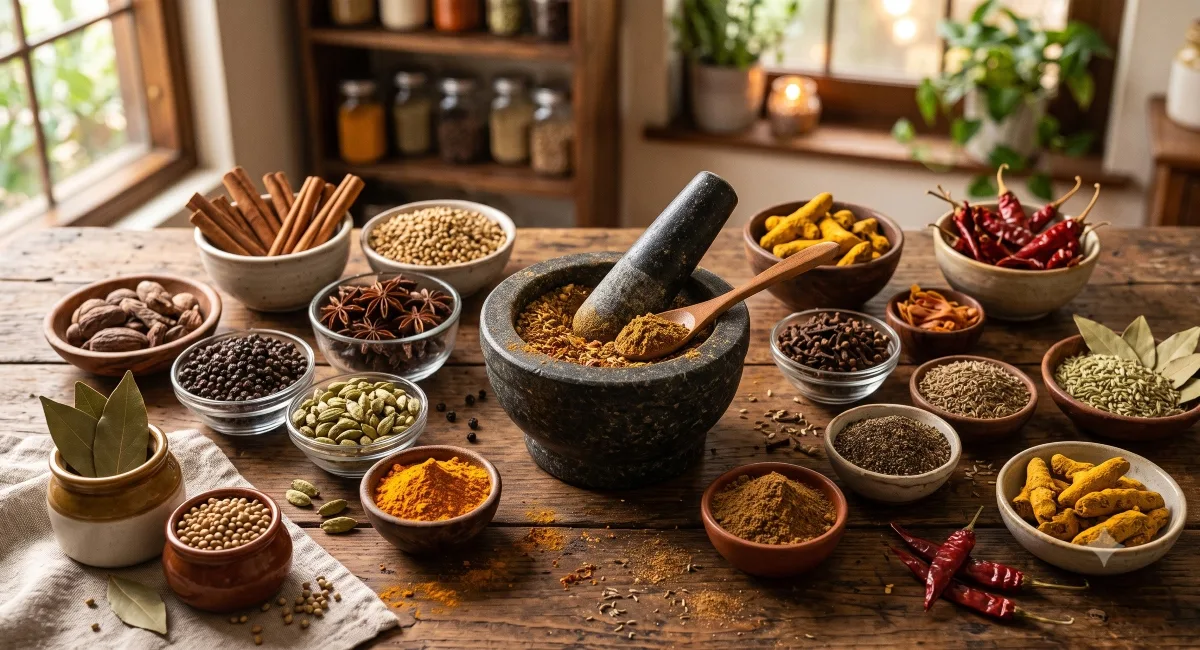
Some essential whole spices every kitchen should have include:
- Green Cardamom
- Black Pepper
- Cloves
- Cinnamon
- Coriander Seeds
- Cumin Seeds
- Fennel Seeds
- Mustard Seeds
- Nutmeg
- Star Anise
- Bay Leaves
Each contributes unique aromas and flavors that elevate everyday cooking.
Whole spices are more than just ingredients—they are the foundation of flavorful, aromatic cooking. Their ability to retain essential oils, preserve freshness, and deliver authentic taste makes them the preferred choice for chefs and home cooks alike. Whether you’re preparing a traditional Kerala curry, a fragrant biryani, or a comforting cup of spiced tea, freshly ground whole spices can make every recipe more vibrant and memorable.
If you’re looking to experience the true essence of premium spices, choose high-quality whole spices sourced directly from trusted growers. The difference in taste, aroma, and overall cooking experience is one you’ll notice from the very first dish.
FAQs
Are whole spices better than ground spices?
Yes. Whole spices retain their essential oils longer, resulting in superior flavor, aroma, and freshness compared to pre-ground spices.
How long do whole spices stay fresh?
Most whole spices remain flavorful for 2–4 years when stored in airtight containers away from heat and sunlight.
Should I grind spices before cooking?
For the best flavor, grind only the amount you need just before cooking or brewing.
Which whole spices should every kitchen have?
Black pepper, green cardamom, cloves, cinnamon, cumin, coriander, fennel, mustard seeds, nutmeg, and bay leaves are excellent staples for everyday cooking.
Can whole spices improve the taste of food?
Absolutely. Freshly ground or tempered whole spices release natural essential oils at the moment of cooking, giving dishes a richer aroma, deeper flavor, and a more authentic taste than pre-ground alternatives.